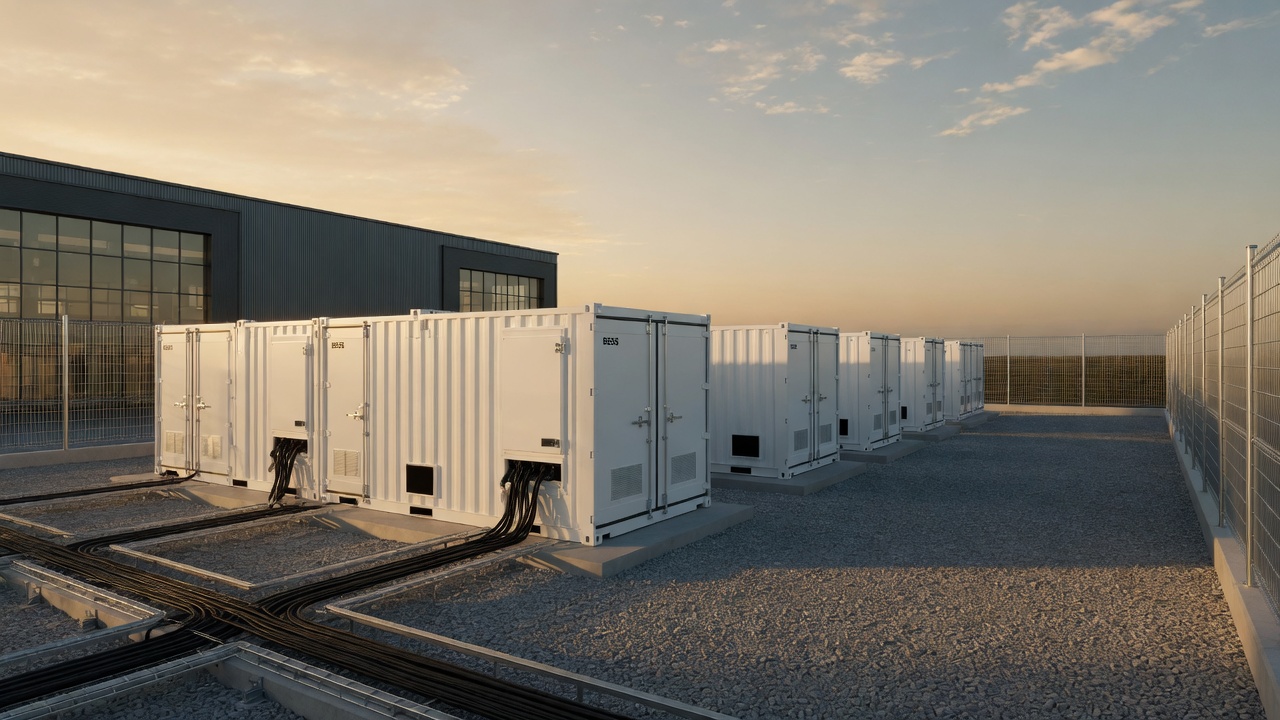
Chartered Engineer-led design and turnkey delivery of battery energy storage for Irish businesses. Cut peak demand charges, protect against outages, maximise solar self-consumption, and unlock grid services revenue.
Six clear value drivers that deliver measurable returns
Discharge during peak demand to stay under your MIC limit. Avoid excess capacity charges and defer expensive grid upgrades that can cost €100k+ and take years.
Store excess solar generation during the day and use it after sunset or during cloudy periods. Dramatically improve the ROI of your existing or new solar PV system.
Qualify for EirGrid DS3 / FASS system services and Capacity Market payments. Well-sited batteries can generate meaningful additional revenue on top of site savings.
Configure the same system for seamless backup power to critical loads during outages. Protect production, cold storage, data rooms, or EV chargers when the grid fails.
Charge the battery at low night-rate tariffs and discharge during expensive daytime peaks. Simple, low-risk revenue stream available to almost every commercial site.
Many sites facing MIC increase applications or substation reinforcement can instead install BESS and stay within their existing connection agreement - often at 30-60% lower cost and in months instead of years.
Sites with variable or growing electrical demand
High-draw machinery, batch processes, and shift patterns create expensive peaks. Typical systems: 200 kWh – 2 MWh.
Pain: Demand charges + risk of exceeding MIC when adding new lines.
Refrigeration loads are large and relatively predictable. Excellent for peak shaving and backup. Typical: 300 kWh – 1.5 MWh.
Pain: High continuous load + need for resilience during outages.
Daytime peaks from HVAC, lighting, kitchens, and EV chargers. Pair with solar for strong returns. Typical: 100–800 kWh.
Pain: Rising electricity costs + corporate sustainability targets.
Solar + BESS is a natural fit. Store excess generation and use for milking, irrigation, or EV fleet charging. Typical: 50–500 kWh.
Pain: Low export rates + desire to increase self-consumption.
From data to commissioned asset in months, not years
We analyse your half-hourly electricity data, tariff structure, existing solar (if any), and operational patterns. We identify peak events, quantify savings opportunities, and produce a clear ROI model.
Detailed system sizing, technology selection (LFP recommended), grid connection strategy, financial modelling (including any grid services revenue), and full engineering drawings.
Turnkey delivery including equipment supply, civil works, electrical installation by Safe Electric REC contractors, integration with existing systems, and full project management.
Full testing, SCADA/EMS integration, dispatch strategy optimisation, staff training, and handover. Optional ongoing monitoring and O&M contracts for maximum long-term performance.
We are not just installers. We are your engineering partner.
Led by a Chartered Engineer (CEng) and PMP-certified project manager. Every design is data-driven and technically robust.
We select the best equipment for your specific use case, site constraints, and financial model - not locked into any single manufacturer.
From initial feasibility through to commissioning and ongoing optimisation or O&M. One accountable partner for the entire asset life.
For larger or more complex projects we can act as your independent Owner’s Engineer - protecting your interests through design, procurement, and construction.
Real results from BESS installations across Ireland
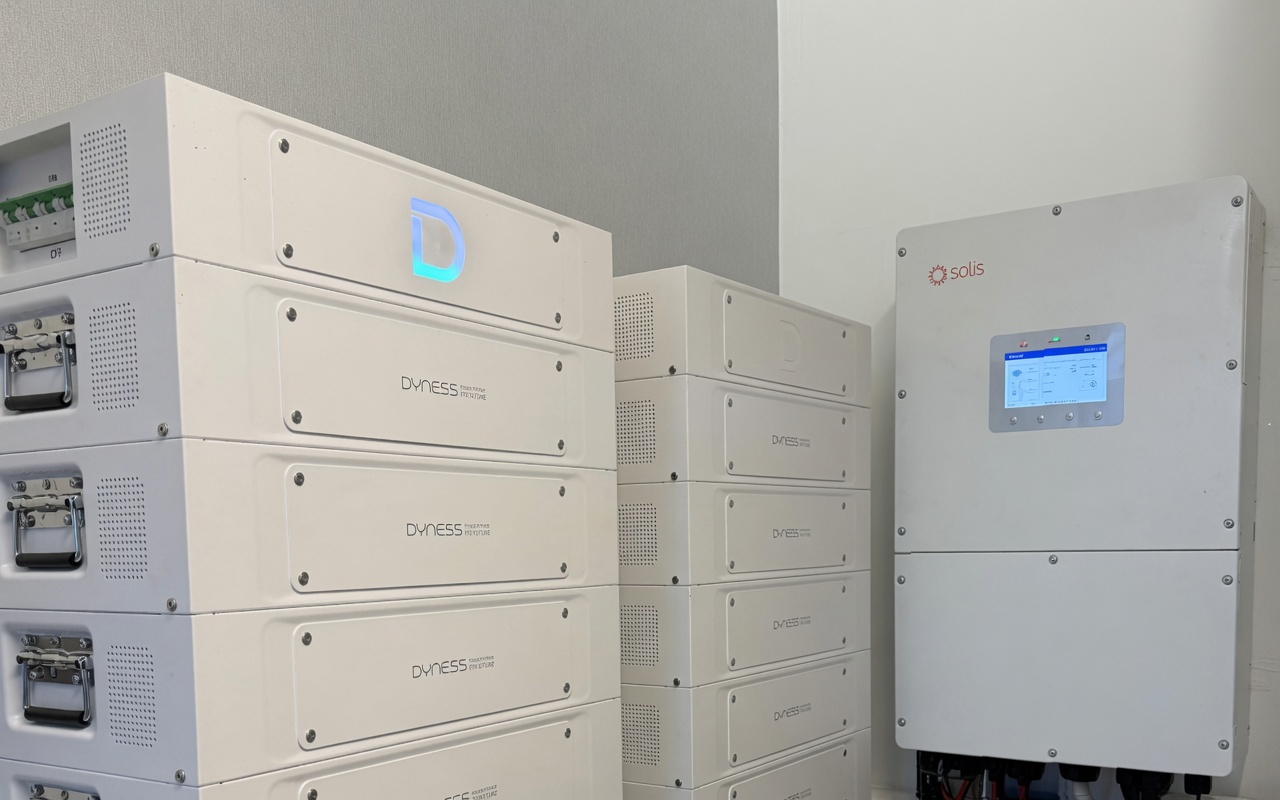
Peak demand charges reduced by ~25–35% through peak shaving and tariff arbitrage.
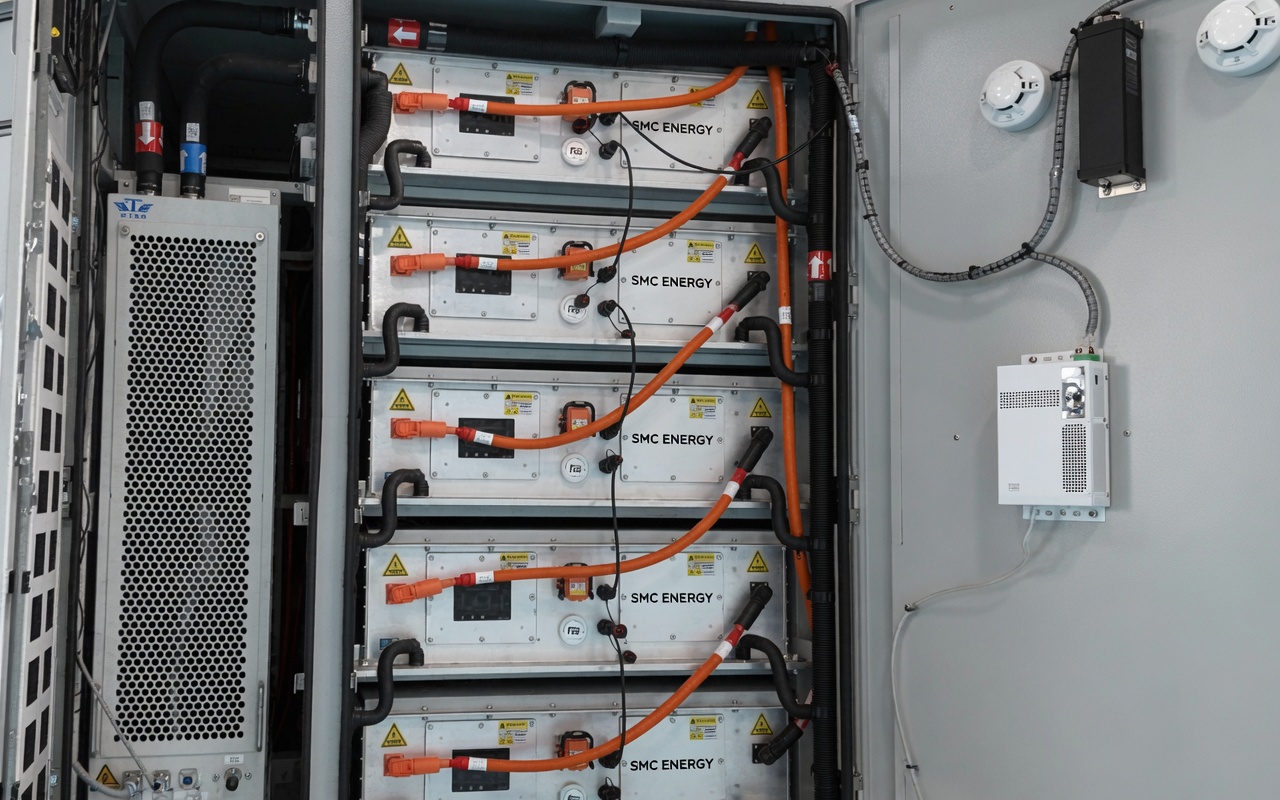
Demand charges cut and solar self-consumption lifted into the 65–80% range.
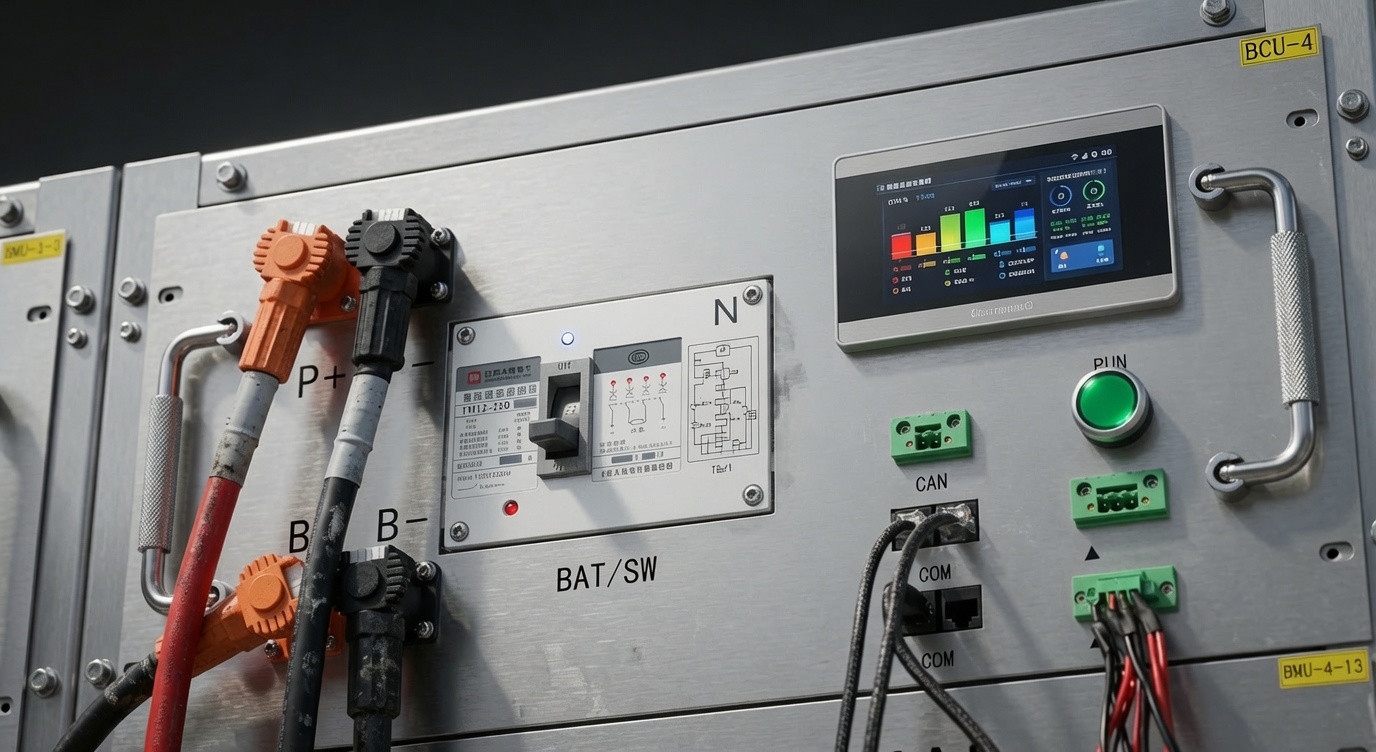
Significant peak shaving with full emergency backup capability for critical loads.
We are happy to arrange site visits for serious prospects.
Commercial BESS projects in Ireland can benefit from several support mechanisms.
100% capital allowances in year 1 for qualifying energy-efficient equipment including battery storage.
Various SEAI programmes and One Stop Shop supports may apply depending on project size and sector. We help identify eligibility.
We work with specialist funders who understand energy assets and can structure on-balance-sheet or off-balance-sheet solutions.
Ask us during the feasibility stage what your specific site qualifies for - we include this in every proposal.
Every BESS project is priced individually because the right system depends entirely on your site, your load profile, tariff structure, existing solar, and objectives (peak shaving, backup, grid revenue). Rather than quoting generic figures, we start with a feasibility assessment using your actual consumption data, then provide a bespoke proposal showing projected savings and return on investment.
Payback varies significantly by site and depends on how many value streams the battery can access - demand charge reduction, tariff arbitrage, solar self-consumption, and grid services. Sites with high peak demand charges or existing solar PV generally see the strongest returns. Our feasibility study can model your specific payback and 20-year returns before you commit to anything.
No. While BESS pairs powerfully with solar - storing excess daytime generation for use in the evening - batteries deliver value on their own through peak shaving, charging on cheap night-rate electricity and discharging during expensive peak periods, and providing backup power. If you already have solar, a battery typically improves the return on that existing investment.
Yes. This is one of the strongest commercial cases for BESS. By discharging during your peak demand periods, a correctly sized battery flattens your load profile, reducing capacity-related charges. It can also allow you to avoid or defer a costly MIC increase and associated grid connection upgrades if your site's demand is growing.
Potentially, yes. Suitably sized and configured systems can participate in grid services and market mechanisms, creating an additional revenue stream on top of on-site savings. Eligibility depends on system size, grid connection, and metering arrangements. We can assess this as part of the feasibility study and design the system to keep these options open.
Modern commercial battery systems are typically designed for a 10–15+ year operational life, with manufacturer warranties commonly covering 10 years or a defined energy throughput. Actual lifespan depends on how the system is cycled, which is why our designs include a dispatch strategy that balances financial return with battery longevity.
It depends on the scale and location of the system. Many commercial installations fall within planning exemptions, but larger systems may require permission, and grid-connected batteries generally require an application to ESB Networks. As part of our service, we manage the full compliance pathway: planning assessment, grid application, and connection agreement on your behalf.
Safety is engineered in from the start. All our designs comply with IS 10101 and relevant battery storage standards, covering location, ventilation, fire separation, protection systems, and emergency procedures. All electrical works are executed and certified by Safe Electric Registered Electrical Contractors.
Minimal, with proper planning. Most of the works - containment, battery and inverter installation - happen without interrupting your operations. Any required shutdown for final grid connection is short and scheduled around your business.
The system is commissioned and monitored. We then configure the best strategy to match your tariff and load profile, can set up remote monitoring, and can provide ongoing optimisation and maintenance support.
BESS is an engineering problem, not an equipment sale. SMC Energy is led by a Chartered Engineer, and we're technology-agnostic so we size and select equipment based on your data, not what a supplier wants to sell. From feasibility and ROI modelling through to construction, commissioning, and optimisation, you have a single accountable technical partner for the full project lifecycle.
Get a no-obligation, site-specific feasibility assessment and ROI model from our Chartered Engineer team.